Search

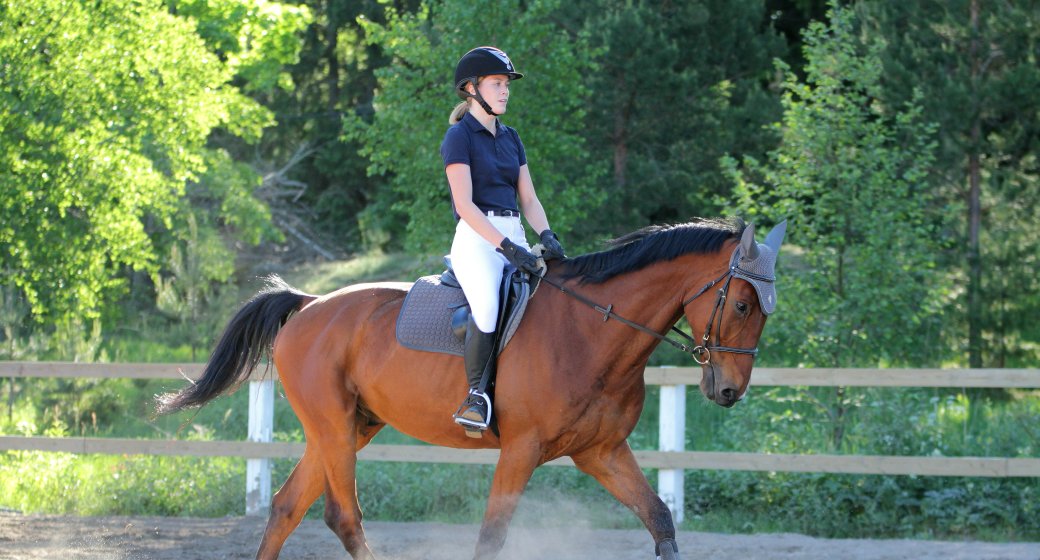
Summer brings longer days, drier footing, and more time in the saddle — but it also brings soaring temperatures that can turn a joyful ride into an exhausting battle against heat and sweat. For riders who spend hours training, competing, or hacking under the sun, choosing the right apparel is not just about comfort; it directly affects performance, focus, and safety. When your core temperature rises, fatigue sets in faster, reaction time slows, and sweat buildup leads to discomfort and chafing.
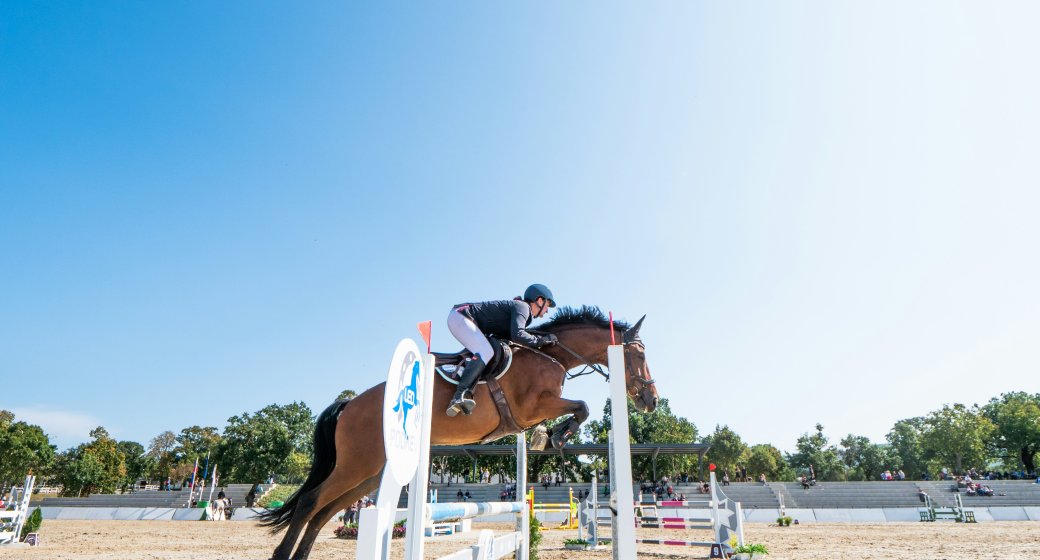
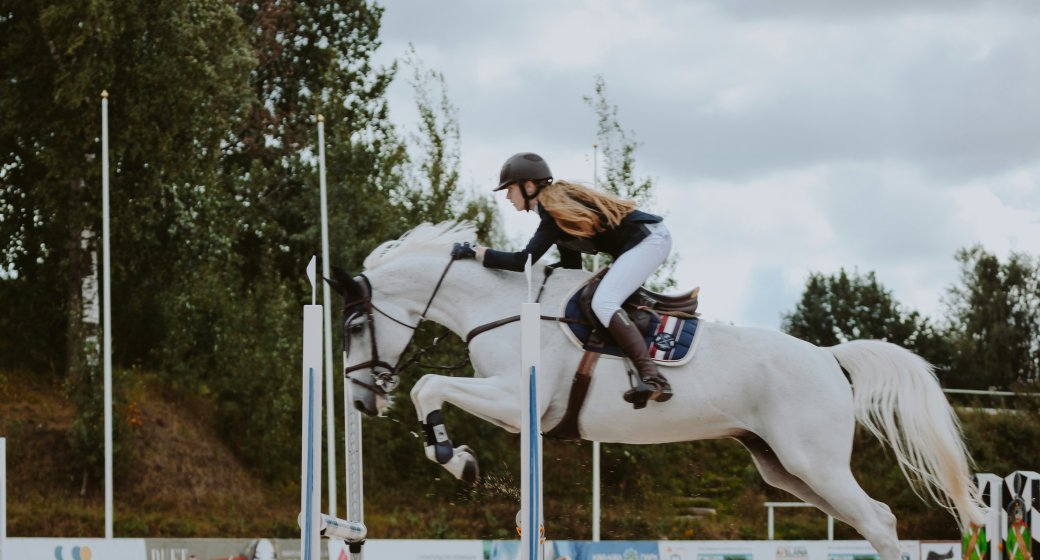
A horse's legs are its most valuable asset and, unfortunately, its most vulnerable point. The intricate structures below the knee—tendons, ligaments, and joints—endure tremendous force during training and competition, and they do not heal quickly when damaged. For riders who train and jump, leg protection is not an optional accessory; it is a practical investment in the longevity of a horse's athletic career. The right boots or wraps can mean the difference between a minor knock and a career-ending injury. This guide will walk you through everything you need to know about protecting your horse's legs during training and jumping, from understanding the different types of protection available to mastering proper fit and care.
E-mail sophy@gldsaddlery.com
Telephone 0086-159 8083 9142
Address 156 Tianfeng Road, Xiamen, Fujian, China
Copyright © 2011-2025 Xiamen Grassland Saddlery Sport Co., Ltd. All Rights Reserved. Powered by HiCheng