Search

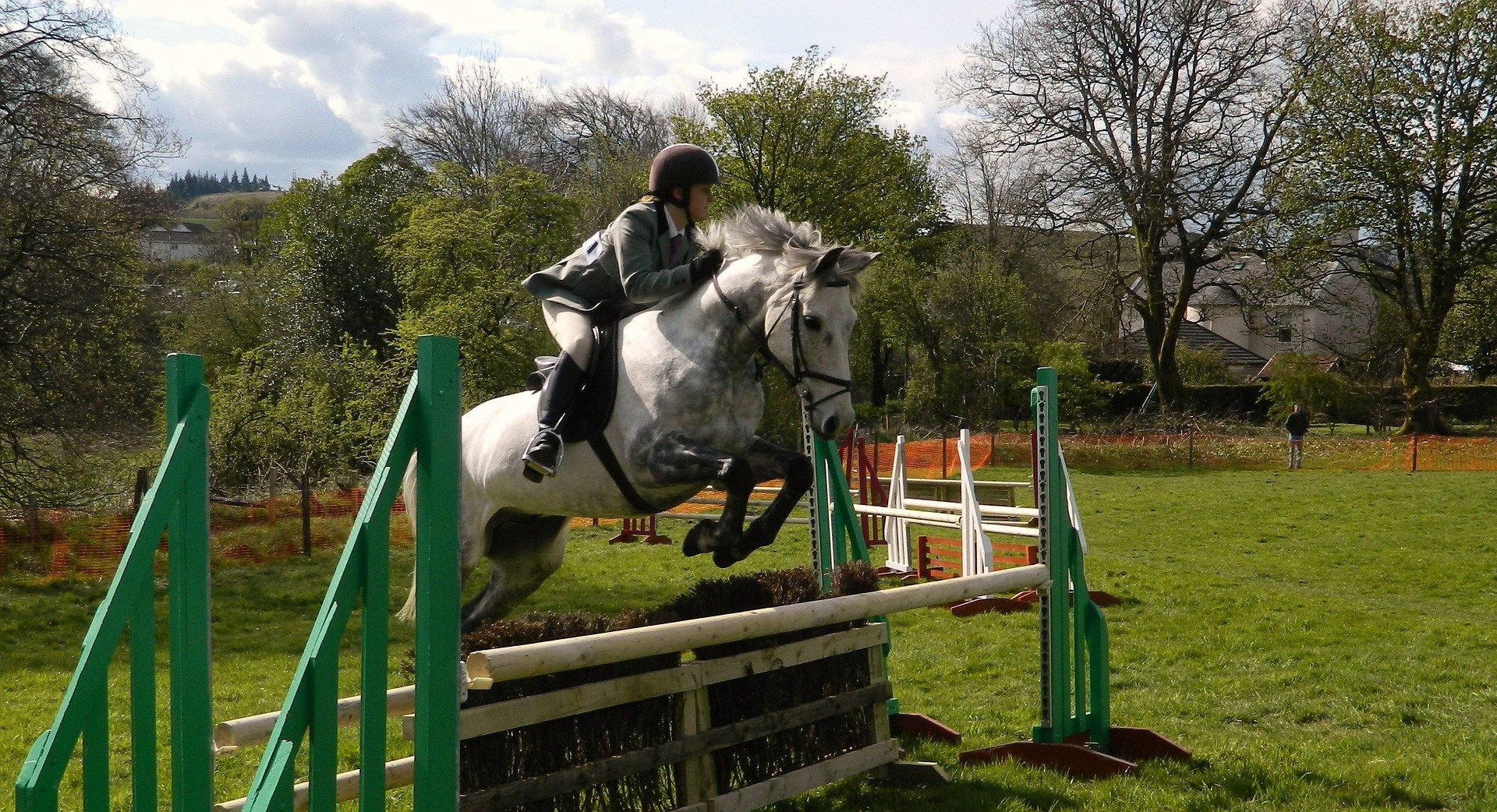
For spectators, it’s a heart-stopping spectacle of athleticism and grace. For riders, it’s a profound test of partnership, strategy, and nerve. Show Jumping, the most globally recognized equestrian discipline, transforms the arena into a theater of calculated risk, where horse and rider must operate as a single, fluid entity to conquer a course of colorful yet imposing obstacles. Beyond the glamour and applause lies a complex sport built on centuries of tradition, refined training methodologies, and an intimate understanding of equine psychology. This article explores the intricate art and science of show jumping, examining what makes this discipline a captivating pursuit for participants and audiences worldwide.
The Foundation: A Partnership Forged in Trust and Training
At its core, show jumping is not about forcing a horse to jump; it is about preparing and guiding an willing partner. The journey begins long before a horse ever sees a brightly painted oxer. It is rooted in flatwork—the essential groundwork that develops a horse’s balance, rhythm, suppleness, and responsiveness to the rider’s subtlest aids. A horse must learn to engage its hindquarters, carry itself in a collected frame, and transition seamlessly between gaits. This foundation is non-negotiable; attempting to jump without it is like building a skyscraper on sand. Concurrently, gymnastic training over poles and small fences builds muscle, teaches the horse to judge distances with its own eye, and develops the precise "bascule" — the rounded arc its body makes over a fence. This phase is as much about building the horse’s confidence as its physique, creating an animal that views fences not as threats, but as puzzles to be solved in partnership with its rider.
The Rider’s Role: The Silent Conductor of the Course
While the horse provides the power and leap, the rider is the strategist, navigator, and balancer. A show jumper’s skill set is multifaceted. First is the development of an independent seat and soft hands. The rider’s body must move in harmony with the horse’s motion over the fence, absorbing impact and staying out of the way, while the hands maintain a consistent, gentle connection to the mouth to guide without interfering. Second is the mastery of pace and line. The rider must walk the course (without the horse) and mentally map the optimal path—calculating the number of strides between combinations, identifying tight turns, and setting a rhythm that is both forward and controlled. During the round, the rider’s eyes are constantly up and ahead, "riding the line" they have planned, making micro-adjustments in stride length through leg and seat aids to present their horse perfectly at the take-off point. This "finding a distance" is an intuitive skill honed over thousands of jumps, a silent dialogue between human intuition and equine athleticism.
The Course Designer’s Challenge: A Test of Mind and Muscle
The course designer is the sport’s unseen architect, crafting a narrative and a series of technical questions that each combination must answer. A well-designed course is a flowing, yet demanding, test that evaluates more than just jumping ability. It assesses control, adjustability, and scope. Designers use a variety of fences to create specific challenges: vertical (upright fences) test precise technique and careful ride; oxers (spread fences with two sets of rails) require power and scope; double and triple combinations (two or three fences set one or two strides apart) test adjustability and recovery; and related distances on bending lines test a rider’s ability to execute their plan under pressure. The placement, color, and filler (decorations under the rails) are all used intentionally—sometimes to guide, other times to potentially spook or distract. A great course is one that can be jumped clear by multiple skilled pairs, but only if every decision is correct.
The Anatomy of a Jump: More Than Just Getting Over
To the untrained eye, a jump is a single moment in the air. In reality, it is a meticulously coordinated five-phase sequence. The Approach sets the stage, requiring rhythm, straightness, and impulsion. The Take-Off is critical; the horse must spring from the correct spot, typically about one horse-length from the fence, using its powerful hindquarters to launch upward and forward. The Flight and Bascule is the moment of aerial poetry. The horse tucks its forelegs neatly, rounds its back (the bascule) to clear the spine of the fence, and kicks out with its hind legs. The Landing absorbs significant force, with the front legs touching down first, followed by the hindquarters, requiring strength and balance. Finally, the Getaway stride immediately sets up the approach for the next fence or a turn. A fault at any phase—a chip shot take-off, a flat bascule, a knocked rail on the way down—can mean the difference between a clear round and penalties.
The Penalty System and Competitive Formats: The Rules of Engagement
The objective in show jumping is deceptively simple: complete the course within the allotted time without knocking down any fences. The penalty system, however, adds layers of strategy. Faults are incurred for knocked rails (4 faults), a first disobedience or refusal (4 faults), a second disobedience or a fall of horse/rider (elimination). Exceeding the time allowed results in time faults (usually 1 fault per second or fraction thereof). In a Jump-Off or tie-breaking round, the fastest clear round wins. This format encourages breathtaking speed and daring turns, often with raised fences. Major competitions, like FEI Nations Cups or Grand Prix events, use a two or three-round format, testing consistency and stamina. Understanding these rules is key to appreciating the tension in the ring; a rider may choose a slower, safer line to ensure a clear round, or push the pace in a jump-off, accepting the higher risk for a winning reward.
The Essential Gear: Engineering for Performance and Safety
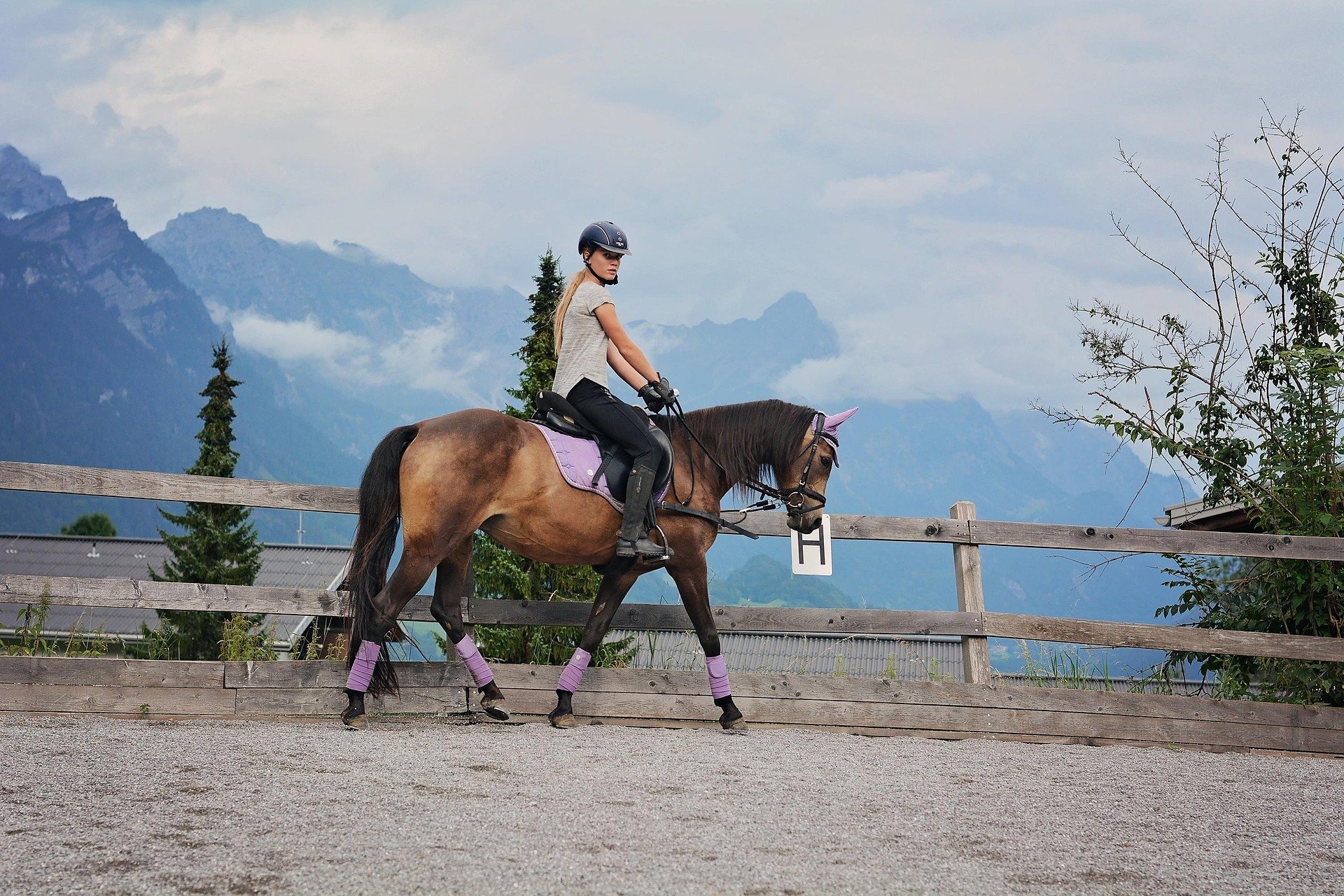
This is where the harmony between horse, rider, and equipment becomes tangible. Every piece of tack is a tool designed to enhance communication and protection. The saddle is perhaps the most critical, with a forward-cut design to allow the rider freedom in the jumping position and secure knee blocks for stability. The bridle and bit provide the communication link; bits must be chosen with meticulous care for the individual horse’s mouth and sensitivity, ensuring clear signals without discomfort. Protective boots or bandages on the horse’s legs are vital for safeguarding tendons and ligaments from strikes, while a well-fitted safety vest is non-negotiable for the rider. The quality and fit of this equipment are paramount. Poorly designed or ill-fitting gear can hinder performance, cause discomfort, and even lead to injury. This is why discerning riders and professionals partner with manufacturers who understand biomechanics, use premium materials, and prioritize both performance and welfare in their designs—a philosophy that guides the creation of every piece of tack for the serious competitor.
The Unspoken Bond: The Heart of the Sport
Ultimately, the gleaming trophies, complex courses, and advanced equipment all serve a higher purpose: facilitating the profound connection between horse and rider. The most successful pairs are those who share a language of trust. The rider must have the empathy to listen to their mount—to feel the hint of fatigue, a moment of hesitation, or a surge of exuberance—and adjust their ride accordingly. The horse, in turn, must trust the rider’s judgement implicitly, committing to a fence even when the take-off spot is long or the angle is sharp. This bond, built over countless hours in the saddle, in the stable, and on the road, is the true magic of show jumping. It transforms a sport into an art form, where a clear round is not just a technical achievement, but a beautiful conversation, a shared victory, and the ultimate expression of a partnership where two beings, human and equine, think and move as one.
E-mail sophy@gldsaddlery.com
Telephone 0086-159 8083 9142
Address 156 Tianfeng Road, Xiamen, Fujian, China
Copyright © 2011-2025 Xiamen Grassland Saddlery Sport Co., Ltd. All Rights Reserved. Powered by HiCheng