
Search

For those new to the English riding world—or even for seasoned spectators—the hunter and jumper disciplines, often grouped together under the "H/J" umbrella, can appear deceptively similar. After all, in both, horse and rider navigate a course of obstacles and jump over fences. However, to the trained eye—and certainly to the judge—these two sports are fundamentally different expressions of equestrian art. They represent two distinct philosophies: one celebrates the beauty of the journey, while the other rewards the efficiency of the outcome. For riders, trainers, and even equipment manufacturers, understanding this distinction is crucial. This article explores the nuanced differences between hunter and jumper riding, from their judging criteria and course design to the subtle shifts in rider position and tack requirements, offering a comprehensive guide to these captivating disciplines.
The Fundamental Philosophy: Judging the Horse Versus Scoring the Result
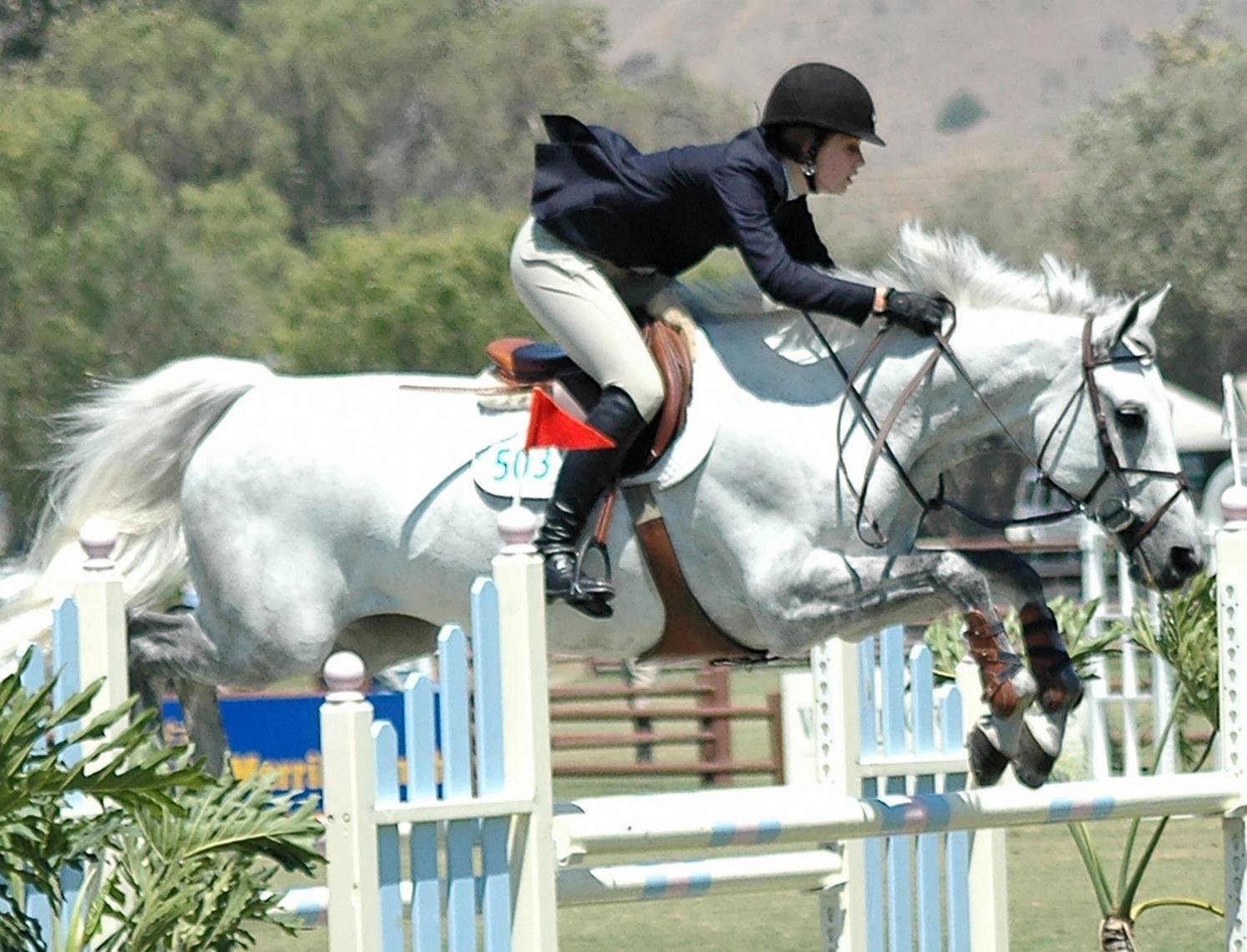
The most significant divide between hunters and jumpers lies in their core judging criteria. In the hunter division, the evaluation is entirely subjective and focused on the horse . Judges award scores—typically on a 0-100 scale—based on the horse's performance, manners, and style . The ideal hunter moves with a long, low, and flowing canter, jumps with a perfect rounded bascule (the arc of the back over the fence), and snaps its knees up neatly and squarely . The round should look effortless, graceful, and consistent, as if the horse could happily do it all day . Even a minor fault, like a tick of the rail or a late lead change, can deduct points . In essence, the hunter is judged on its conformation, movement, and the aesthetic quality of its jumping form .
Conversely, the jumper division is an objective sport based purely on numbers . Here, the horse is simply an athlete, and the scoring is straightforward: penalties (or faults)are incurred for knocking down rails(4 faults) , refusing a jump (4 faults), or exceeding the time allowed . The horse with the fewest faults and the fastest time wins . Style is completely irrelevant; a horse that scrambles over a fence awkwardly but clears it without a fault is scored the same as one that jumps with picture-perfect form . The jumper's job is to be fast, careful, and brave, answering the technical questions posed by the course designer without regard for aesthetic appeal .
Course Design: Natural Elegance Versus Technical Challenge
The contrasting philosophies of the two disciplines are physically manifested in the design of their courses. A hunter course is designed to mimic the experience of riding across the countryside in a traditional foxhunt . The fences are made to look as natural as possible, often constructed of wood, rails, and adorned with tasteful greenery, flowers, or brush . The course itself typically consists of 8 to 10 jumps arranged in flowing, gentle lines that encourage a steady, rhythmic pace . The emphasis is on consistency and evenness; riders are expected to maintain the same canter and style throughout the round.
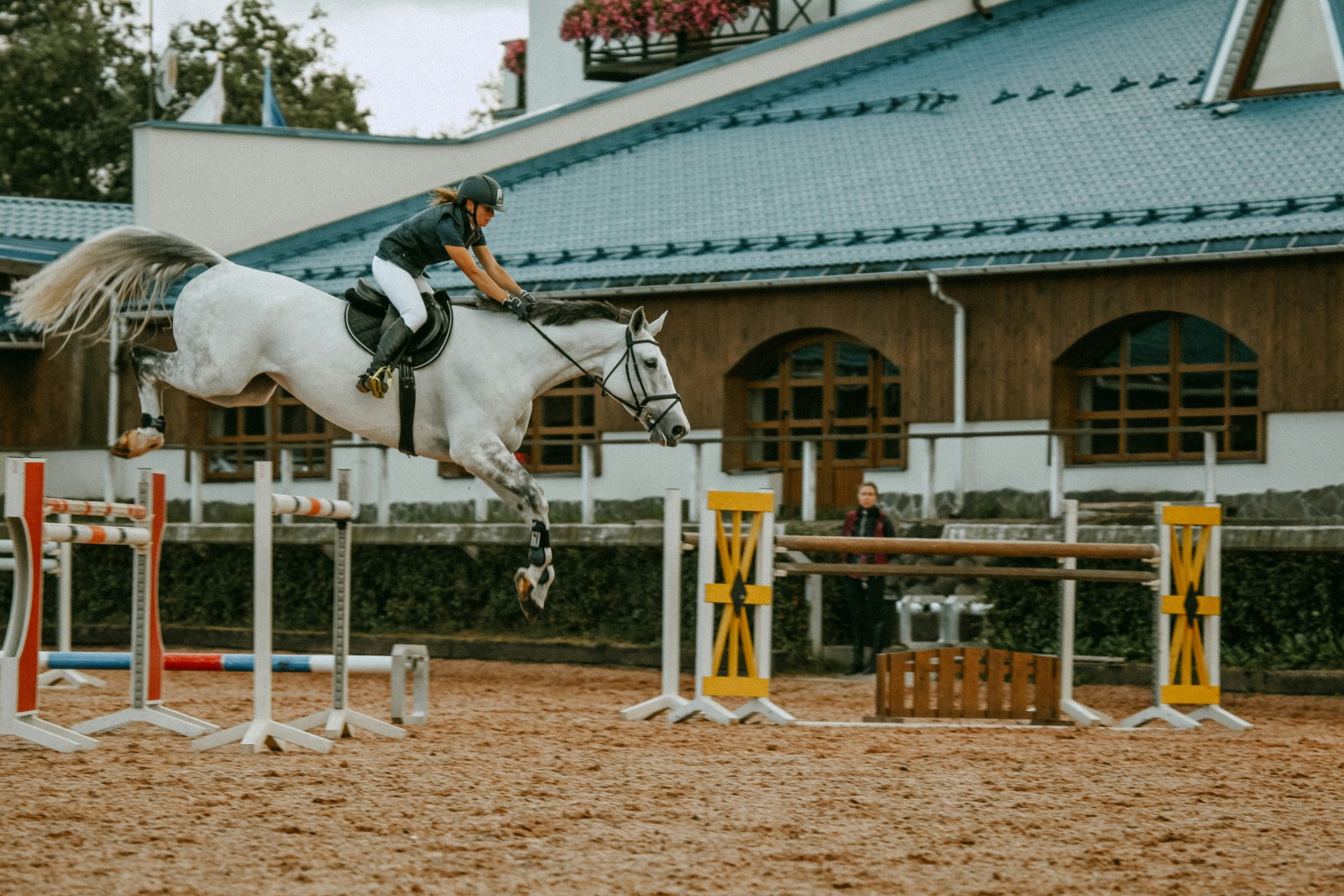
Jumper courses, by contrast, are technical puzzles designed to test the athleticism, scope, and obedience of the horse . They often feature 12 to 16 obstacles, including tricky combinations, sharp turns, and changes of direction that require immense adjustability . The fences themselves are often brightly colored, diverse in shape, and can include uniquely designed "signature" obstacles that are more visually imposing . The course designer's goal is to create a track that is difficult to ride cleanly, forcing riders to make strategic decisions about pace and turning to shave off seconds .
The Rider's Role: The Invisible Partner Versus the Tactical Pilot
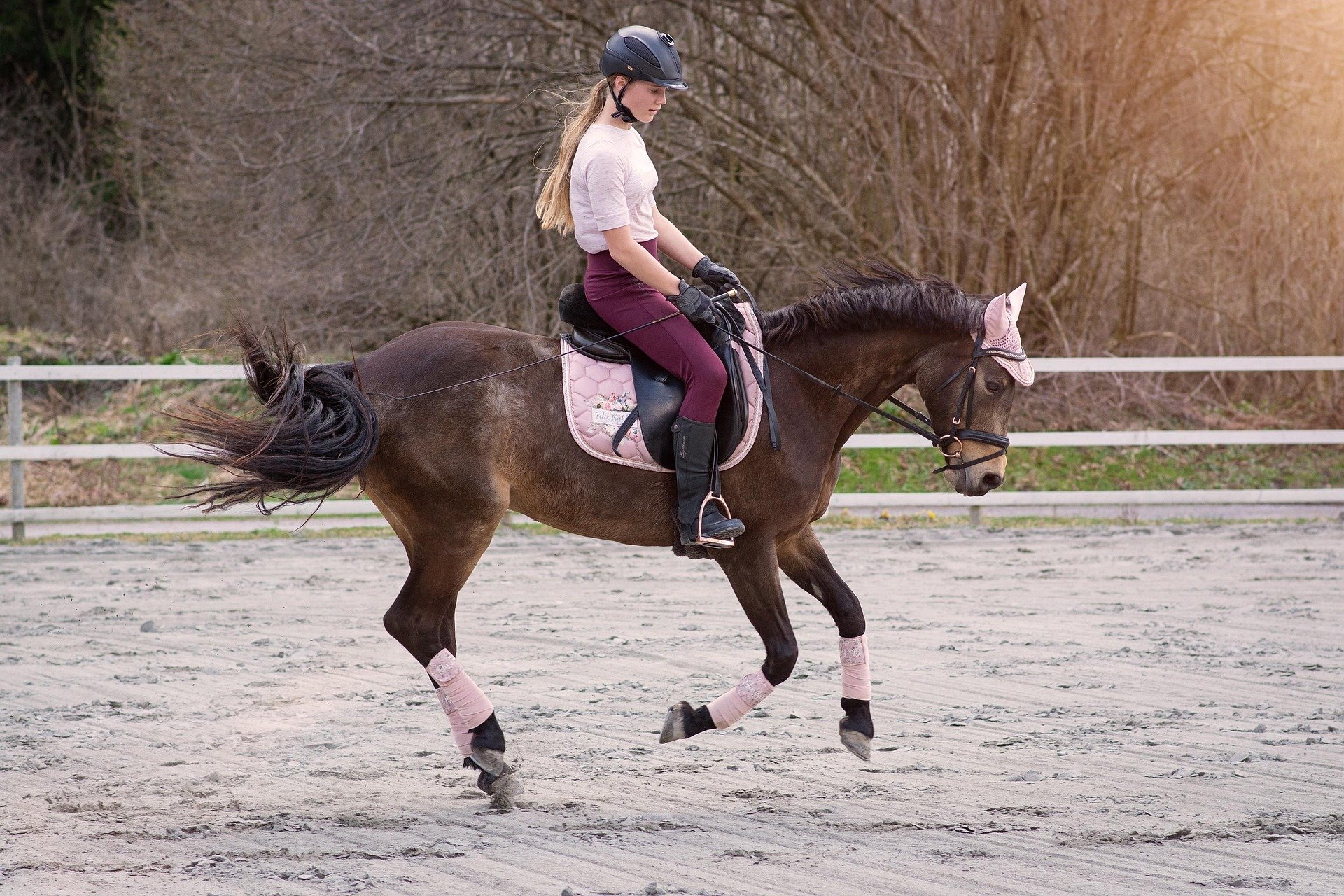
The rider's function and style differ dramatically between the two rings. In the hunter ring, the rider's primary job is to be an invisible and effective passenger. The goal is to present the horse in the best possible light, interfering as little as possible so the horse can showcase its natural grace and rhythm . The rider must maintain a quiet, steady position and find smooth, consistent distances that allow the horse to jump out of its stride. While the rider is not judged directly(that is the realm of Equitation classes), a poor ride that disrupts the horse's flow will negatively impact the horse's score . The aesthetic is one of harmony and subtlety.
In the jumper ring, the rider is an active and strategic pilot . They are responsible for analyzing the course, calculating stride lengths between fences, and making split-second decisions to balance speed with accuracy. Because the courses are more technical, the rider must be more dynamic, using their body and aids to adjust the horse's stride, set up for tight turns, and generate the impulsion needed for big spreads . It is a more assertive ride, where the rider's ability to solve problems in real-time is just as important as the horse's jumping ability. This requires a different kind of partnership, one built on instantaneous communication and trust .
The Finish Line: The Tri-Color Ribbon Versus the Stopwatch
Perhaps the most visceral difference lies in how a winner is determined. At the end of a hunter round, the rider waits for the judge's score to be displayed. A high score in the 80s or 90s, combined with a strong performance from the other competitors, might earn the champion's tricolor ribbon . The outcome is a verdict based on opinion, tradition, and a collective appreciation for beauty.
At the end of a jumper round, the result is immediate and undeniable. If the round was clear, the rider's time is compared against the clock. The winner is the pair that crosses the finish line with the fastest time and the fewest faults. In a jump-off, where the fastest clear round wins, the tension is palpable as riders push for risky inside turns and gallop for home, racing not just each other, but the ticking clock . The victory is not subjective; it is measured, absolute, and exhilarating.
Conclusion: Two Disciplines, One Passion
While hunters and jumpers both involve jumping over fences, they are as different as ballet and basketball. One is an art form, celebrating the timeless elegance and traditional beauty of the horse. The other is a sport, a pure test of precision, athleticism, and nerve against the course and the clock. For the spectator, understanding this difference unlocks a deeper appreciation for the skill on display. For the rider, it often defines their path, with some drawn to the quiet perfection of the hunter ring and others to the adrenaline-fueled challenge of the jumpers. And for those of us who design and manufacture the equipment they use, it is a constant reminder that gear must be engineered not just for safety and durability, but for the specific demands of the rider's chosen pursuit—whether that pursuit is making the beautiful look effortless, or making the impossible look fast.
E-mail sophy@gldsaddlery.com
Telephone 0086-159 8083 9142
Address 156 Tianfeng Road, Xiamen, Fujian, China
Copyright © 2011-2025 Xiamen Grassland Saddlery Sport Co., Ltd. All Rights Reserved. Powered by HiCheng