Search

As a horse owner, trainer, or equestrian enthusiast, selecting the right halter for your horse is one of the most important decisions you make. A well chosen halter ensures comfort, safety, and effective communication between you and your horse. With countless options available on the market, each designed for specific disciplines and purposes, understanding the differences can help you make an informed choice. In this article, we will explore the most common types of horse halters, their unique features, and the scenarios where each one excels. Whether you handle horses on the ground, lead them to pasture, or practice bitless riding, this guide will help you match the right halter to your needs.
The Rope Halter and Its Role in Ground Handling
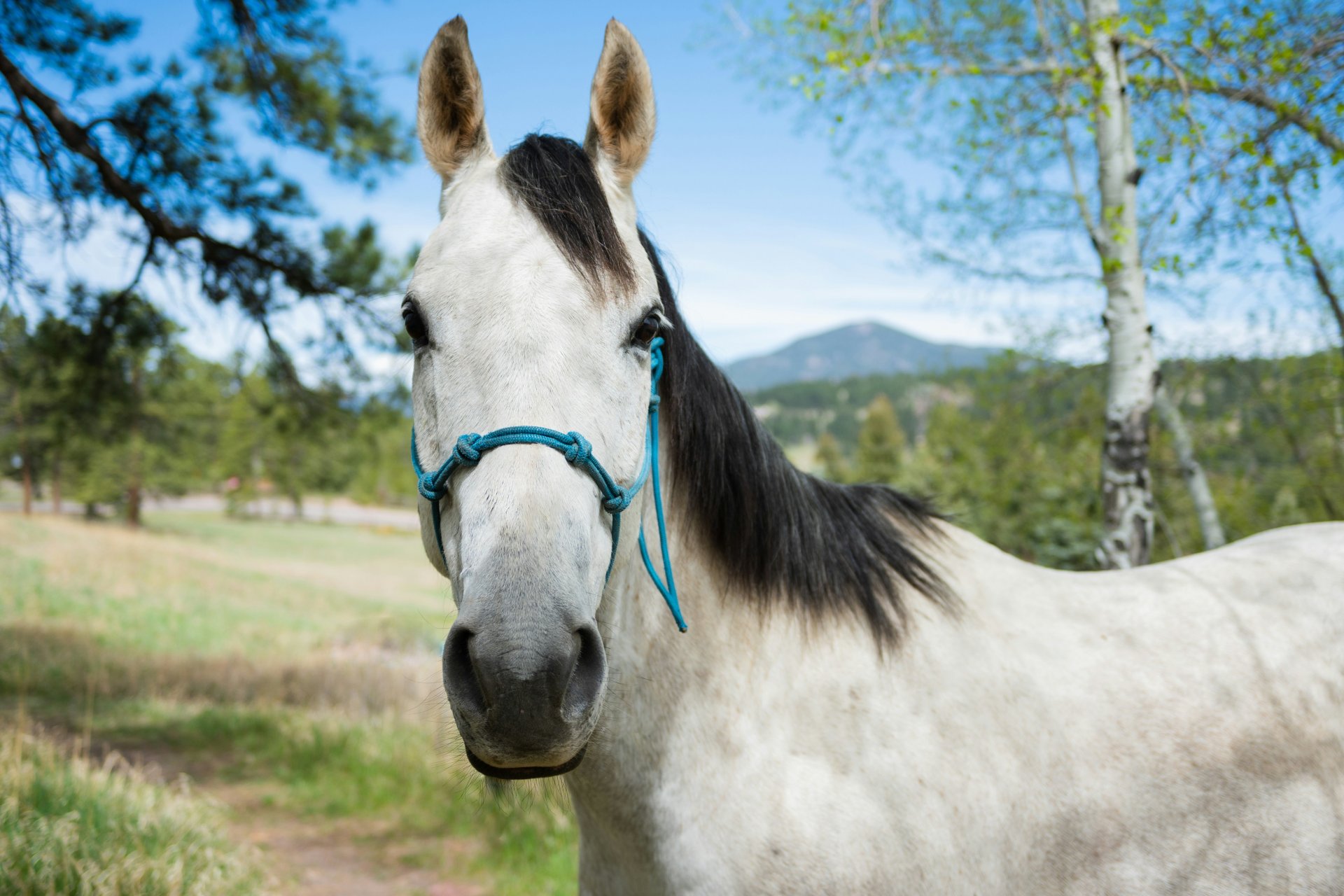
The rope halter is one of the most popular choices for everyday handling, training, and groundwork. Made from durable yacht rope or similar synthetic fibers, this type of halter is designed with specific knots that place pressure on key points on the horse’s head, including the nose, poll, and jaw. Unlike flat nylon or leather halters, the rope halter offers more precise cues and is widely used in natural horsemanship programs. Its slim profile allows for clear communication without unnecessary bulk.
The primary application of the rope halter is groundwork, lunging, leading, and tying. It is especially effective for young horses or those in training because the pressure is direct and releases quickly when the horse responds correctly. This helps the horse learn to yield to pressure rather than lean against it. Many trainers prefer rope halters for loading horses into trailers, teaching respect for personal space, and establishing basic manners. However, rope halters should not be left on a horse in a stall or pasture, as the knots can become caught on fences or feeders, posing an injury risk. For active handling sessions where control and responsiveness are key, the rope halter is an excellent choice.
The Flat Nylon Halter for Durability and Everyday Use
The flat nylon halter is a staple in barns around the world due to its affordability, strength, and ease of cleaning. Constructed from woven nylon webbing with adjustable buckles or snaps at the crown, cheek, and noseband, this halter provides a secure fit for horses of all sizes. Nylon is resistant to rot, mold, and chewing, making it ideal for horses that live outdoors or in humid climates. Available in a wide range of colors and often featuring contrasting stitching or decorative hardware, flat nylon halters are both functional and visually appealing.
These halters are best suited for daily turnout, grooming, bathing, and short term tying. Many horse owners use them for leading horses to and from pastures, during veterinary or farrier visits, or when the horse needs to be secured briefly in a cross tie area. Because nylon does not absorb water or sweat, it dries quickly and resists bacterial growth. However, flat nylon halters are not designed for heavy pressure or training cues. The wide noseband distributes pressure over a larger area, which can actually encourage a horse to lean into the halter rather than yield. For this reason, they are not recommended for training sensitive responses. Use a flat nylon halter for routine handling and low stress situations where durability and ease of maintenance are priorities.
The Leather Halter for Showmanship and Elegance
Leather halters represent the classic choice for horse owners who value tradition, aesthetics, and a professional appearance. Made from high quality cowhide or buffalo leather, these halters are often handcrafted with brass or stainless steel hardware, rolled edges, and intricate stitching. Leather is breathable, softens with use, and conforms to the horse’s head shape over time, providing a comfortable fit. While more expensive than nylon or rope options, a well maintained leather halter can last for many years.
The primary use of leather halters is in show rings, parades, breed inspections, and photography sessions. They are nearly always required in halter classes where the horse is judged on conformation and presentation. Many barns keep leather halters exclusively for travel to competitions or for special events. They are also suitable for leading and handling during non strenuous activities, provided the horse is calm and well behaved. Leather should never be used as a turnout halter because moisture, sun exposure, and rubbing can cause cracking, stretching, or breakage. Additionally, leather breaks under extreme stress, which can be a safety feature if a tied horse panics, but it also means leather halters are not for high load situations. For a polished, traditional look that pairs perfectly with a matching lead rope, the leather halter remains unmatched.
The Breakaway Halter for Turnout Safety
Safety is paramount when a horse wears a halter unattended in a stall or pasture. This is where the breakaway halter becomes essential. A breakaway halter is designed with a weak point, usually a leather crown piece or a specially designed plastic snap, that will break under significant force. If the horse catches the halter on a fence, gate, branch, or feeder, the halter will separate rather than hold the horse trapped. This simple feature has saved countless horses from serious injury or even death.
Breakaway halters are available in leather, nylon, or biothane materials. The most common design uses a leather strap at the crown that is stitched in a way that it will tear when subjected to extreme pressure. Some nylon halters incorporate a breakaway buckle or a piece of elastic cord that fails under load. These halters are intended for 24 hour turnout in paddocks or pastures. They provide the convenience of having a halter already on the horse for easy catching, without the dangers of a standard solid halter. Never use a rope halter or a flat nylon halter without a breakaway feature for unsupervised turnout. For horse owners who value both safety and convenience, the breakaway halter is the only responsible choice for pasture settings.
The Sidepull Halter for Bitless Riding
While most halters are designed for ground handling, the sidepull halter bridges the gap between a standard halter and a riding bridle. A sidepull is essentially a halter with rein attachments on the sides of the noseband. It works by applying direct pressure to the nose, chin, and poll when the rider pulls on the reins. Because there is no bit inside the horse’s mouth, sidepulls are considered very mild and are ideal for horses with dental issues, mouth injuries, or those that become anxious with a bit.
Sidepull halters are commonly used in trail riding, endurance riding, and for starting young horses under saddle. Many western and English riders who prefer a bitless option choose sidepulls for their simplicity and effectiveness. The noseband should be padded or made of soft rope to prevent chafing. Some sidepulls have a single rein attachment at the bottom of the noseband, while others have a cross under design with straps that go under the jaw. When fitting a sidepull halter for riding, ensure it sits high enough on the nasal bone to avoid the fragile cartilage of the lower nose. Sidepulls require the rider to have soft, clear hands, as harsh pulling can still cause discomfort. For a smooth, bitless ride that gives the horse freedom to eat and drink on long trails, the sidepull halter is an excellent choice.
Matching the Halter to Activity and Horse Temperament
Choosing the right halter goes beyond style or material. You must consider the horse’s temperament, experience level, and the specific activity you have planned. A young, green horse will benefit from a rope halter during groundwork sessions to learn respect and responsiveness. For turnout in a large pasture, a breakaway leather halter or a breakaway nylon halter is safest because it will separate under extreme tension, preventing injury if the horse gets caught on something. Never use a rope halter for unattended turnout.
For riding without a bit, the sidepull halter suits horses that are calm and responsive to pressure. A horse that pulls hard on the lead may need a rope halter for better control during handling, but that same halter should never be used as a riding halter unless it is specifically designed as a sidepull. For showing in halter classes, a leather halter with silver or brass hardware gives a polished, professional image. For everyday barn chores like bringing horses in from the field, a flat nylon halter with a breakaway feature offers a balance of durability and safety.
Consider the climate as well. In hot, humid environments, nylon or biothane halters resist mildew and are easy to rinse clean. In cold weather, leather or rope halters remain flexible and less likely to become brittle. Always ensure any halter fits correctly. Too tight causes pain, rubbing, and pressure sores. Too loose increases the risk of the horse stepping through it or getting a hoof caught in the noseband. A properly fitted halter should allow two fingers to fit between the noseband and the horse’s nose, and similarly under the crown piece behind the ears.
Safety should always be your first priority. Inspect halters regularly for frayed stitching, cracked leather, or weakened knots. Replace worn items promptly. Never tie a horse with a halter that is damaged or too old to trust. By understanding the strengths and limitations of each halter type, you can build a collection that meets every need from daily turnout to training sessions to bitless trail riding.
Conclusion
Horse halters are not one size fits all. From the direct responsiveness of a rope halter to the rugged durability of flat nylon, from the timeless elegance of leather to the life saving design of breakaway halters and the gentle action of sidepulls for bitless riding, each type serves a distinct purpose. As a horse owner, your responsibility is to match the tool to the task, always prioritizing the horse’s comfort and safety. A well chosen halter improves communication, prevents accidents, and enhances your enjoyment of every interaction with your horse. Invest in quality pieces, learn how to fit them properly, and replace any equipment showing signs of wear. With the right halter on your horse, you will build trust, achieve better control, and deepen the bond that makes horsemanship so rewarding.
E-mail sophy@gldsaddlery.com
Telephone 0086-159 8083 9142
Address 156 Tianfeng Road, Xiamen, Fujian, China
Copyright © 2011-2025 Xiamen Grassland Saddlery Sport Co., Ltd. All Rights Reserved. Powered by HiCheng