
Search

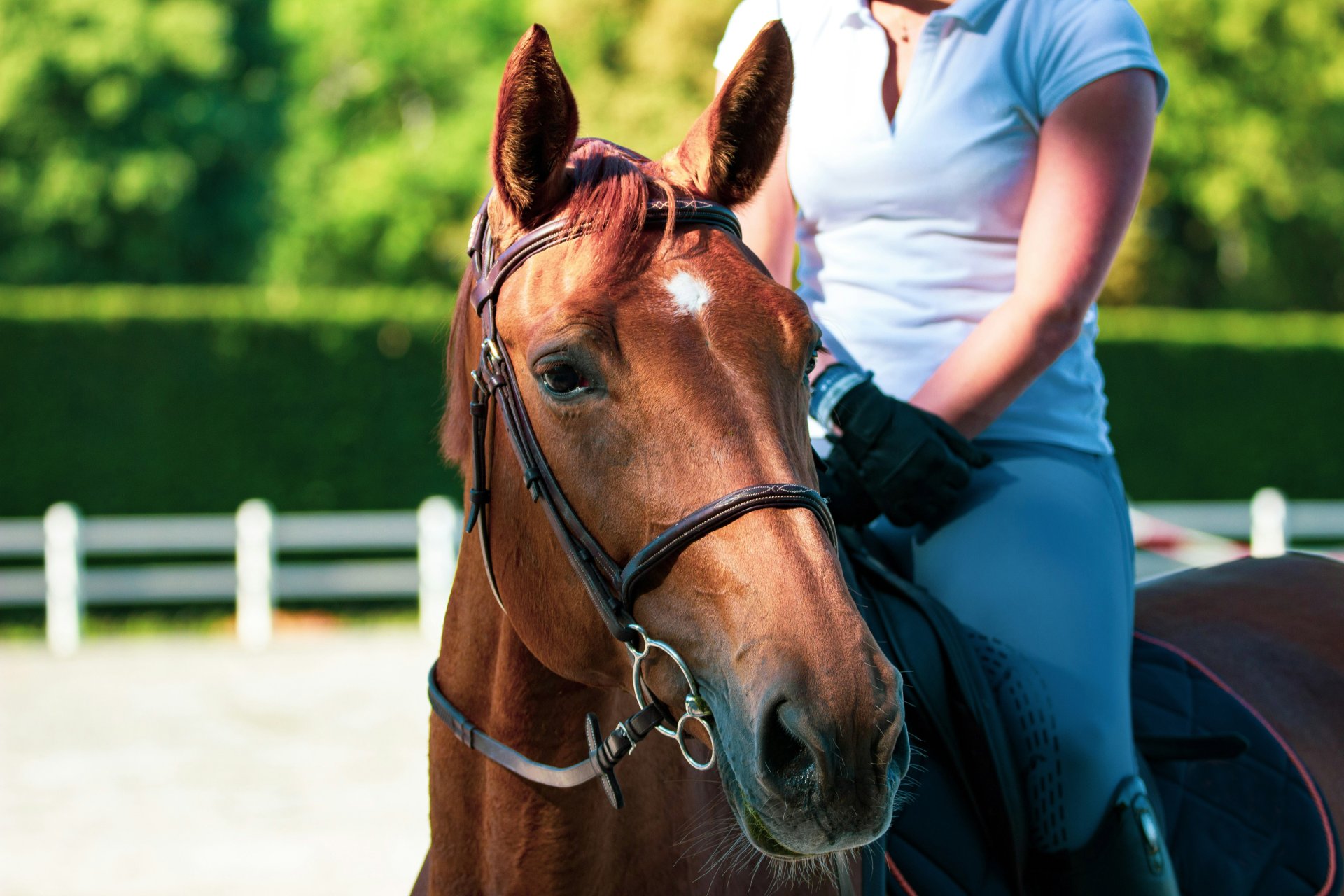
As any dedicated rider knows, the strength and safety of your tack depend on more than just quality leather. The metal components—bits, stirrups, buckles, and various fasteners—bear the greatest stress and are most vulnerable to wear, corrosion, and hidden damage. A broken buckle at a gallop or a rusted stirrup bar can turn a pleasant ride into a dangerous accident. For those who own or manage a stable, or simply care for their own horse, learning to inspect and maintain these hardware pieces is not optional; it is a fundamental responsibility. This guide walks you through a practical, daily and weekly routine for keeping every metal part of your bridle and saddle in top working order, extending their life and protecting both horse and rider.
Understanding Your Metal Components: Materials and Their Weaknesses
Before diving into checklists, it helps to know what you are dealing with. Most horse tack hardware is made from stainless steel, nickel-plated steel, or solid brass. Each material behaves differently. Stainless steel resists rust well but can still develop pitting in low grades, especially around welds and moving joints. Nickel-plated steel looks shiny but once the plating chips, the underlying steel corrodes quickly, creating rough edges that can cut a horse’s mouth or a rider’s glove. Brass is softer and less prone to rust, but it wears down faster and can develop a dark patina or verdigris, a green toxic residue that irritates skin. Knowing these differences helps you choose the right cleaner and lubricant. For example, abrasive cleaners that work on sturdy stainless steel will destroy nickel plating. Always check the manufacturer’s recommendations, but as a rule, avoid harsh acids or wire brushes on anything but solid, uncoated stainless steel. For daily use, a simple soft rag and mild soap are safest for all metals.
The Bit: Daily Mouth Contact Requires the Most Care
The bit is the most intimate piece of metal on your horse, resting directly on sensitive bars, tongue, and sometimes the roof of the mouth. Any flaw—a sharp edge, a loose joint, a rough weld—causes pain and resistance. Before every ride, perform a simple three-step inspection. First, hold the bit up to light and rotate each joint. Listen for grinding or clicking; feel for stiffness. The loose rings on a snaffle should rotate freely but without excessive side play. For fixed cheek bits like a baucher or pelham, check that the purchase and shank are straight. Second, run your thumb or a cotton ball along every surface. A cotton ball snags on microscopic burrs that your finger might miss. Pay special attention to the edges of the holes where the headstrain attaches, and the area around the curb chain hook. Third, look for discoloration or pitting. Small black spots on stainless steel are often the start of crevice corrosion. If you find any, replace the bit immediately—no amount of buffing makes it safe for the horse’s mouth. After each ride, rinse the bit with fresh water and wipe it dry. Never put a wet bit back on the bridle. Use a soft toothbrush and mild dish soap once a week to clean out dried saliva and feed residue from joints and under the port. Lubricate the joints with food-grade silicone spray or beeswax; avoid petroleum-based oils as they have an unpleasant taste and can cause colic if the horse swallows small amounts. Store bits hanging individually, not tossed in a bucket where they knock against each other and create nicks.
Stirrups and Stirrup Bars: Supporting Rider Weight Under Movement
Stirrup hardware endures repetitive shock loads and constant friction. A failure here means a rider falls, often with a foot trapped. Inspect each stirrup as a complete assembly. For traditional fillis or peacock stirrups, check the tread plate: are the rubber inserts worn smooth? Replace them before they become slippery. Examine the two side branches for bends or cracks, especially at the top loop where the leather attaches. On safety stirrups with an elastic outer branch, test the breakaway function. The elastic should hold firm under normal weight but give way when the rider’s foot twists. If it feels stretched or brittle, replace the elastic cord immediately. For Western or endurance stirrups with a padded top, check the metal hanger for hairline fractures. Now turn your attention to the stirrup bar on the saddle. This small metal tongue is often overlooked. Push the stirrup leather upward and examine the bar’s surface. Is it smooth or grooved from wear? Deep grooves can prevent the leather from releasing in a fall. Some bars have a curved safety catch at the end; ensure that catch moves freely and springs back into place. Lubricate the pivot point of that catch with a dry graphite lubricant, never with oil that attracts dust. At the end of each ride, wipe down stirrups with a dry cloth. Once a month, remove the stirrup leathers completely and clean the bar slot. Dirt and sweat accumulate there, leading to galvanic corrosion between the leather’s rivets and the steel bar. Apply a thin coat of waterproof grease to the bar’s top and bottom surfaces, avoiding the catch mechanism. This reduces friction and prevents rust from sweat dripping down the leather.
Buckles, D-Rings, and Fasteners: The Hidden Backbone of Your Tack
Buckles hold your bridle together, attach your throatlatch, connect your girth to the billets, and secure your breastplate. Most riders check their leather but forget to open the buckle and look inside. A single corroded tongue or a bent roller can cause a buckle to slip open under pressure. At least once a week, unfasten every buckle on your tack. On a bridle, that includes cheekpiece buckles, noseband buckle, throatlatch buckle, and curb chain hook. On a saddle, check girth buckles, overgirth buckles, and any billet buckles. Work each buckle through its full range: open the tongue, close it, slide it along the strap. The tongue should snap into each adjustment hole cleanly without forcing. If it sticks, inspect the hole in the leather; sometimes the metal eyelet has deformed. For roller buckles, spin the small central cylinder. It should rotate without wobble. Any scratchy feeling indicates dirt or a flat spot. Clean roller buckles by soaking them in warm soapy water and scrubbing with an old toothbrush. Rinse and dry thoroughly, then apply a drop of light machine oil to the roller axle and the tongue hinge. Wipe off excess. For D-rings and sliding keepers, look for thinning on the side that contacts the leather. Constant rubbing can wear the metal down to a sharp edge. Run your fingernail across the inside curve; if you feel a groove, replace the fitting. Rust in these areas is especially dangerous because the metal can snap without warning. A simple test: after cleaning, try to bend the D-ring slightly with pliers. If it feels brittle or shows cracks, discard it immediately.
Cleaning Protocols and Lubrication Choices That Work
Effective cleaning goes beyond wiping with a damp rag. Establish a weekly deep clean for all removable metal parts. Remove bits, stirrups, and loose buckles from the tack. Prepare two buckets: one with warm water and mild dish soap, another with clean rinse water. Use a nylon brush for tough grime on stainless steel, but switch to a soft cloth for plated or brass items. For crevices like bit joints or buckle hinges, use a wooden toothpick or a compressed air canister to dislodge hidden dirt. Never use steel wool on any equestrian metal—the tiny steel fibers embed and rust, creating new corrosion points. After washing, dry everything immediately with a clean cotton towel. Do not air dry; water spots can become nucleation sites for rust. Now, lubrication. Different metals and moving parts need different products. For high-friction sliding surfaces like stirrup bars and billet buckles, use a waterproof synthetic grease or a silicone-based lubricant. For small pivots like bit joints and curb chain hooks, use a light, food-safe oil such as mineral oil or a commercial bit lubricant. For brass or copper hardware, a thin coat of lanolin prevents verdigris without attracting dust. Never use WD-40 as a lubricant; it is a solvent and water displacer, not a long-term lubricant. It will wash away existing grease and leave parts dry. Similarly, avoid cooking oils like olive or vegetable oil—they turn sticky and rancid, trapping dirt. After lubricating, wipe away any excess. A thin film is all you need. Excess lubricant migrates onto leather, causing stitching to rot.
Storage and Environmental Control to Prevent Corrosion
How you store your tack between rides directly impacts metal longevity. The enemy is moisture and ammonia from horse sweat. Never leave sweaty tack in a closed, unventilated locker. After cleaning, allow everything to dry completely in a room with airflow but not direct sunlight, which damages leather. Hang bridles on wide racks so bits and buckles do not touch each other or the wall. Metal-on-metal contact causes galvanic corrosion, where two different metals in a damp environment create a tiny battery effect. Line your tack trunk or locker shelf with a silicone-coated cloth or a layer of felt. Place a few silica gel packets in the trunk to absorb ambient humidity; replace them every three months. For long term storage of spare bits or extra stirrups, wrap each piece in an oiled cloth or a zippered plastic bag with a desiccant pack. Do not store metal tack in a barn where temperature fluctuates wildly—condensation forms on cold metal when warm, humid air arrives. A climate controlled room is ideal, but even a dry cupboard in the house is better than a damp feed room. Also, separate your everyday tack from show tack. Frequent handling of show equipment can lead to accidental damage, while stored items need periodic inspection every few months. Mark your calendar for a full metal audit twice a year: spring before competition season starts, and autumn before heavy winter riding. During these audits, disassemble everything that can be taken apart—remove curb chains, unscrew bit ends if possible, and check inside hollow bars for moisture.
Know When to Replace: Recognizing Critical Failure Signs
No amount of cleaning can fix a part that has reached the end of its safe life. Many riders keep using hardware long after it is dangerous because the damage seems small. Learn to spot these terminal signs. For any load-bearing piece—stirrup hangers, girth buckles, bit rings—a thickness reduction of more than twenty percent means replacement. You can compare with a new identical part or use a caliper. Cracks of any length, even hairline, are unacceptable. Pitting corrosion deeper than a millimeter weakens the structure. For plated parts, if you see any flaking or bubbles under the surface layer, the plating has failed. For moving joints, if there is lateral play meaning the parts wobble sideways, replace the assembly. For safety stirrups, replace the entire stirrup if the tread is bent out of shape, not just the rubber. For buckle tongues, if the tip has worn to a pointed shape rather than a rounded dome, it will cut through leather holes over time. Keep a replacement kit on hand with common sizes: three sizes of bit rings, two sizes of stirrup irons, various buckle tongues, and a set of D-rings. When you replace a piece, inspect the leather it attached to. Often, a failed buckle or bit ring damages the strap holes with hidden cuts. And remember: never attempt to weld or solder a broken tack component. The heat changes the metal’s temper, creating weak zones that will fail unpredictably. The cost of a new buckle is trivial compared to a veterinary bill or a rider’s injury.
By building these inspection and cleaning habits into your daily routine, you transform horsekeeping from reactive crisis management into proactive safety. Each time you run your thumb along a bit or spin a roller buckle, you are not just maintaining equipment—you are reinforcing a culture of care. The ten minutes you spend at the end of a ride checking hardware saves you from the terror of a snapped stirrup on a trail or a broken cheekpiece during a jump. Your horse feels the difference too. A smooth, clean bit with freely moving joints encourages softness and trust. A secure buckle that closes with a confident snap gives you peace of mind. Share this knowledge with every rider in your barn. Make the ring check of all metal parts as natural as putting on a helmet. In the end, reliable tack is not about expensive brands or fancy finishes. It is about the quiet, consistent attention paid to every steel ring, every brass fastener, every iron stirrup. That attention is the mark of a true horseman.
E-mail sophy@gldsaddlery.com
Telephone 0086-159 8083 9142
Address 156 Tianfeng Road, Xiamen, Fujian, China
Copyright © 2011-2025 Xiamen Grassland Saddlery Sport Co., Ltd. All Rights Reserved. Powered by HiCheng