
Search

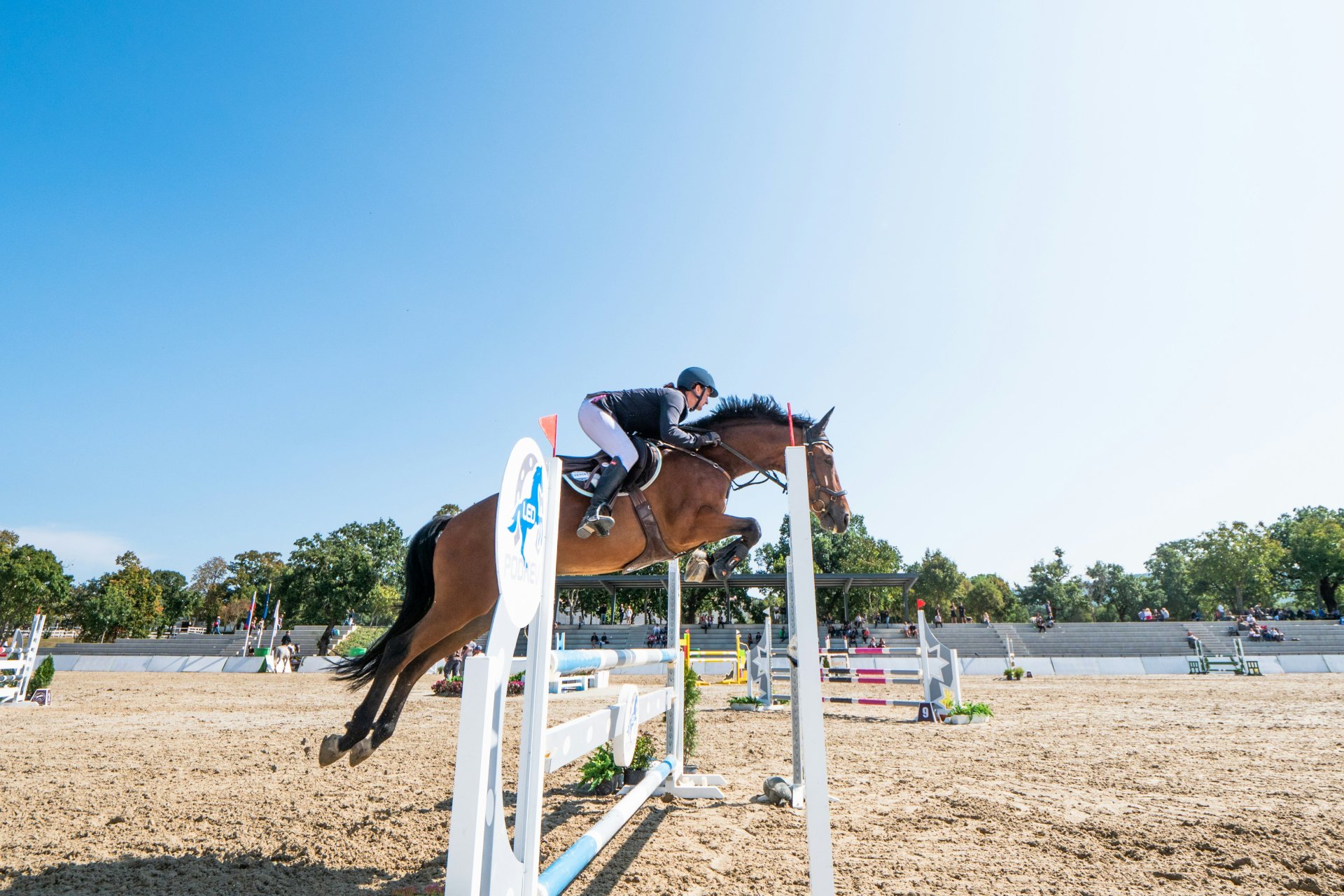
A horse's legs are its most valuable asset and, unfortunately, its most vulnerable point. The intricate structures below the knee—tendons, ligaments, and joints—endure tremendous force during training and competition, and they do not heal quickly when damaged. For riders who train and jump, leg protection is not an optional accessory; it is a practical investment in the longevity of a horse's athletic career. The right boots or wraps can mean the difference between a minor knock and a career-ending injury. This guide will walk you through everything you need to know about protecting your horse's legs during training and jumping, from understanding the different types of protection available to mastering proper fit and care.
Why Leg Protection Matters
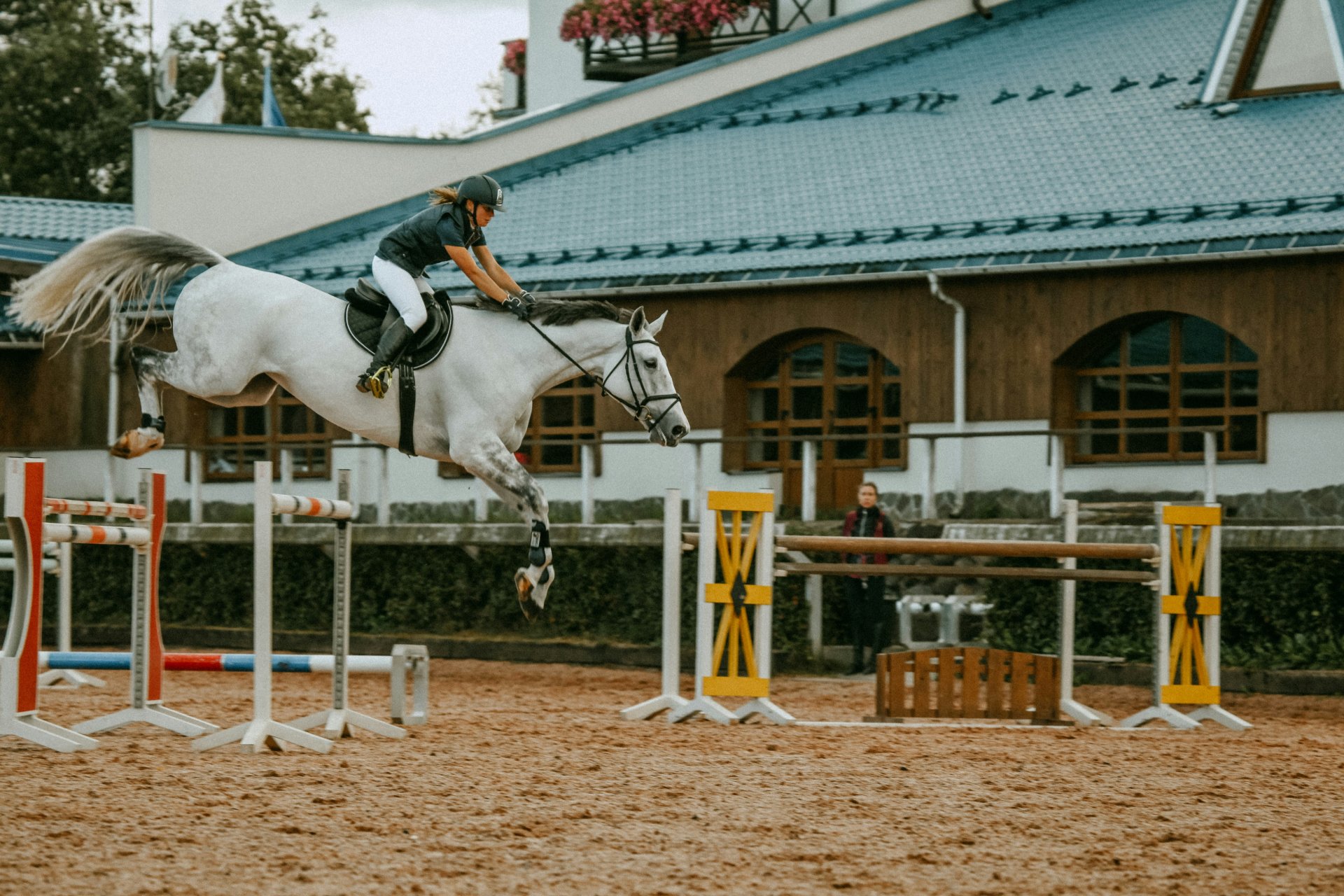
Horses are powerful athletes, but their legs are remarkably fragile relative to the forces they absorb. During jumping, the impact on a horse's forelimbs can exceed several times their body weight. Beyond the sheer force of landing, horses routinely interfere with themselves—striking one leg against another, overreaching with hind feet, or making contact with jump poles. Young horses in training are particularly prone to these mistakes as they develop coordination and strength.
Proper leg protection does not guarantee that every injury will be prevented, but it significantly reduces the risk of the minor knocks and self-inflicted strikes that, repeated often enough, contribute to cumulative damage over time. The primary advantage of boots and wraps lies in how they dissipate forces and prevent skin penetration when a horse's leg comes into contact with a jump, a thorn, or the shoe of another foot. Truly protective boots prevent piercing or cutting of the leg while spreading impact as evenly as possible to reduce concentrated forces likely to cause damage.
However, there is an important caveat: improperly fitted boots can cause harm. A boot that is too tight restricts circulation and creates pressure injuries. A boot that is too loose shifts during work, losing its protective function or causing painful rubbing. The quality of the boot matters, but fit matters just as much.
Types of Horse Boots for Training and Jumping
The market offers a wide array of leg protection options, each designed for specific purposes. Understanding these distinctions is the first step toward making the right choice for your horse and discipline.
Brushing boots are the most commonly used form of leg protection in everyday riding. They wrap around the lower leg from below the knee to the fetlock and protect against brushing, the striking of one leg against the other during movement. These boots are highly versatile and suitable for flatwork, general schooling, pole work, and light jumping. They typically feature a strike pad on the inner face of the boot for added protection where it is needed most. Brushing boots can be worn on all four legs and are often considered all-purpose boots for everyday training.
Tendon boots offer more targeted protection. They are designed specifically to shield the superficial digital flexor tendon, which runs along the back of the cannon bone and is one of the most injury-prone structures in the horse. These boots have a reinforced back panel that protects the tendon from strikes by the hind feet, a particular risk during jumping and fast work. Tendon boots are worn on the front legs and are a favorite among show jumpers. They come in two main styles: open-front and closed-front. Open-front tendon boots are popular for show jumping because they protect the vulnerable tendons at the back while leaving the front of the leg exposed, allowing the horse to feel a pole if it brushes against it. This sensory feedback encourages the horse to be more careful over fences. Closed-front tendon boots offer additional protection to the front of the cannon bone and are often preferred for cross-country or by riders whose horses have previous tendon injuries.
Fetlock boots are shorter boots that protect the fetlock joint, primarily on the hind legs. They are commonly used in show jumping and young horse classes to prevent knocks and brushing injuries to this sensitive joint. In many jumping disciplines, tendon boots are used on the front legs while fetlock boots are used behind, providing comprehensive protection where each leg is most vulnerable.
Overreach boots, also called bell boots, protect the heels and coronary band of the front feet from being struck by the hind feet. Overreaching is most common in horses with a long, powerful hind stride and is a significant risk during jumping, galloping, and work in deep or slippery footing. For horses that regularly overreach, these boots should be considered standard equipment for both schooling and competition.
Eventing boots are lightweight, all-round protectors designed for faster work, varied terrain, and cross-country schooling. They balance coverage with freedom of movement and are purpose-built to withstand the demands of a cross-country course while protecting against interference, underbrush, and scrapes.
Sports medicine boots wrap around the lower leg and the fetlock joint, providing coverage from below the knee to the top of the pasterns. They feature a unique strap that wraps underneath the fetlock, offering some support to the suspensory ligament. These boots are popular for flatwork, transitions, and lateral exercises where increased support is beneficial.
Polo Wraps: The Traditional Alternative
For riders who prefer a more traditional look or whose horses are sensitive to boot rubs, polo wraps remain a viable option. These stretchy, fleece bandages wrap the lower leg from just below the knee to the fetlock and provide moderate support and protection for flatwork and light work.
However, polo wraps come with significant limitations. They require correct application—a wrap applied with uneven tension, too tightly, or with wrinkles can cause pressure injuries and tendon damage. Polo wraps are not appropriate for jumping or fast work and should never be used as a substitute for properly fitted protective boots in those situations. Research has shown that polo wraps create more heat and humidity against the leg than most boots, which is a meaningful concern since excessive heat can contribute to tendon degradation. They also absorb water, becoming heavy and sagging, and can snag on obstacles. For these reasons, polo wraps are best reserved for flatwork, groundwork, and controlled riding environments, while boots are the superior choice for jumping and demanding training sessions.
How to Choose the Right Boots
Selecting the right boots involves more than picking a style that looks good. The best boot provides the right level of protection, suits the intended discipline, and fits securely on your horse's leg. Start by evaluating your horse's movement, discipline, and training routine. Some horses move cleanly and require only basic protection, while others are more likely to brush, interfere, or overreach, particularly as the workload becomes more demanding.
When shopping for boots, focus on three main features: breathability, flexibility, and weight. Breathability is perhaps the most important consideration for tendon health. As a horse moves, tendons and ligaments extend and contract, creating heat naturally. Boots trap this heat, and overheating can cause long-term tissue damage. Look for boots made from breathable materials with designs that encourage air flow. Flexibility is equally critical—boots should allow your horse to move freely. Stiff, inflexible boots may restrict joints and natural movement, potentially compromising tendon function. Weight matters too. Adding even a small amount of weight to the end of a horse's leg increases the effort required to move, resulting in more wear and tear on joints.
Coverage should match the activity. Good boots should help shield the lower leg from knocks, brushing, and accidental strikes without adding unnecessary bulk or restricting movement. For general flatwork and schooling, brushing boots or sports medicine boots are excellent choices. For jumping, gridwork, and faster-paced work, tendon and fetlock boots offer the greatest protection. For cross-country, purpose-designed eventing boots provide the coverage and durability needed for solid fences and varied terrain.
Proper Fit and Application
Even the most expensive boots are useless if they do not fit correctly. A well-fitting boot should stay securely in place while allowing the horse to move naturally and comfortably. Boots that are too small create pressure points, cause rubbing, or restrict movement. Boots that are too large can rotate, slip down, or leave important areas unprotected.
To find the right size, measure the length and circumference of the cannon bone. Measure the height from just below the knee or hock to above the fetlock, and the circumference at the widest point. Record measurements for both front and hind legs, as they may differ. Compare these measurements with the manufacturer's sizing chart—sizing can vary between brands and even between models.
When applying boots, always ensure the hair lies smooth underneath. Closure straps should be on the outside of the leg where they are safest, and straps should always point backward so they will not come undone if the horse brushes against anything. Fasten boots tightly enough to hold them in place but not so tight that they damage the leg. As a general rule, you should be able to slide one finger between the boot and the horse's leg—your finger should feel snug between the two surfaces. If the boot is too loose, dirt can get inside and cause abrasions, or the boot may slide downward and disrupt movement. If it is too tight, circulation may be compromised and tendons damaged.
Before each use, give your horse's legs a thorough grooming to remove any mud or bedding. Check the inside of the boot for debris that could rub your horse. Once fastened, check that your horse can bend its knee without the boot interfering. With proper fit and regular inspection, quality boots will provide reliable protection session after session.
Caring for Your Leg Protection
Good boots represent an investment in your horse's health, and proper care extends their life and effectiveness. After each ride, remove dirt, dust, and debris from the surface using a soft brush. Pay particular attention to the inside of the boots, where dirt and sweat accumulate. Foam, neoprene, fleece, and other linings intended to protect your horse's skin can do the opposite when they are dirty, torn, fraying, or flattened. Inspect the inside of the boots regularly, looking for signs of wear that could cause rubbing or irritation.
Allow boots to dry thoroughly between uses. Damp boots left in a tack room can develop mildew and lose their shape. For boots with Velcro closures, keep the Velcro clean so it fastens properly. Replace boots when the materials show significant wear, the linings have flattened, or the closures no longer hold securely. Worn-out boots not only fail to protect but can actually cause the injuries they were meant to prevent.
Final Thoughts
Protecting your horse's legs during training and jumping is one of the most important responsibilities of any rider. The right boots, properly fitted and well maintained, provide a layer of defense against the knocks, strikes, and impacts that are an inevitable part of athletic work. While no boot can eliminate all risk, the thoughtful selection and use of leg protection significantly reduces the likelihood of injury and supports a longer, healthier career for your horse.
Take the time to understand your horse's individual needs, movement patterns, and the demands of your discipline. Choose boots that prioritize breathability, flexibility, and a secure fit. Apply them with care before every session, and inspect them regularly for wear. These small investments of time and attention pay enormous dividends in the form of sound, happy horses that can continue doing the work they love. Whether you are schooling on the flat, building confidence over grids, or competing in the jump ring, proper leg protection is not just good practice—it is essential care.
E-mail sophy@gldsaddlery.com
Telephone 0086-159 8083 9142
Address 156 Tianfeng Road, Xiamen, Fujian, China
Copyright © 2011-2025 Xiamen Grassland Saddlery Sport Co., Ltd. All Rights Reserved. Powered by HiCheng